What Mat Pilates Actually Is
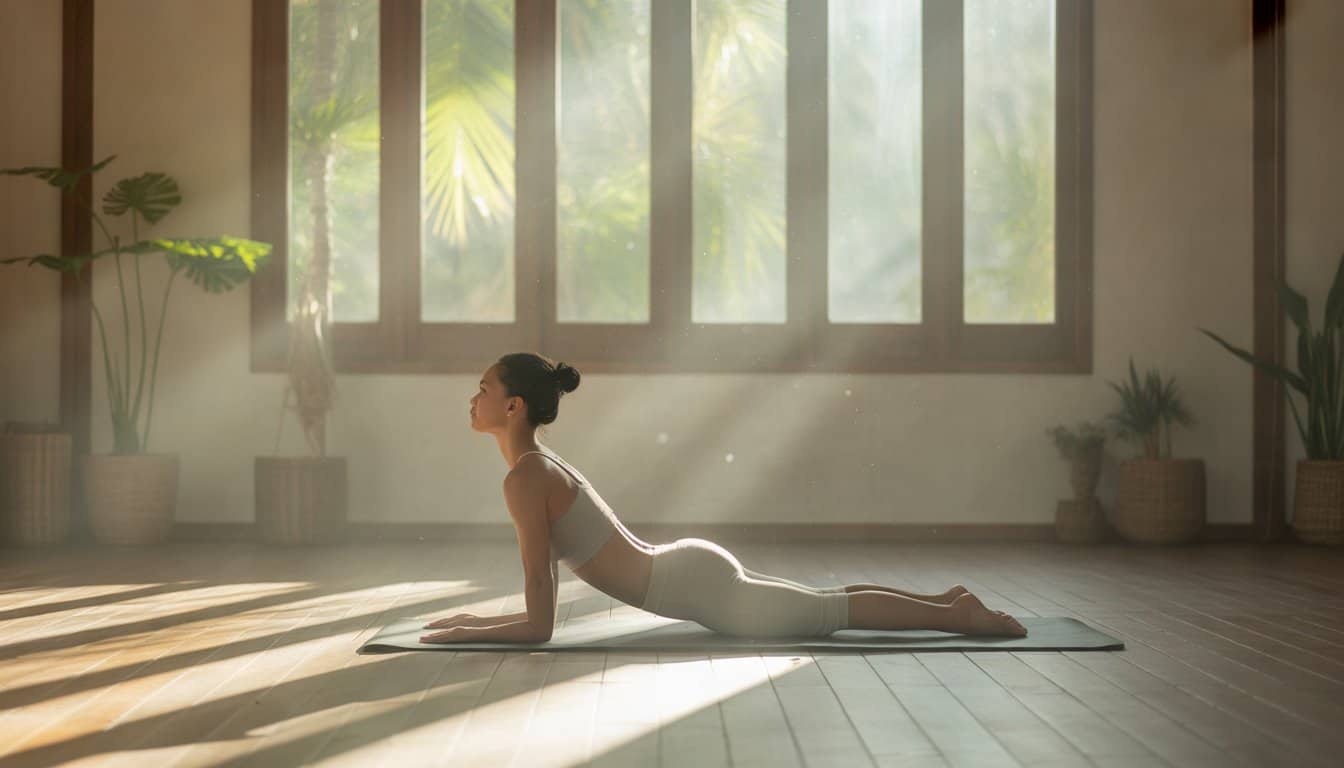
Mat pilates is often mistaken for a gentle stretching class with a fancy name. That myth falls apart very quickly once the core starts shaking, the thighs start protesting, and the instructor says, with suspicious calm, “just one more set.” In reality, mat pilates is a structured movement method performed on the floor using body weight and controlled motion. It focuses on posture, breathing, alignment, core strength, and precise muscle control.
The method was developed by Joseph Pilates in the early 20th century and has since become popular worldwide for its emphasis on efficient movement rather than brute force. Unlike workouts that chase sweat for its own sake, mat pilates asks the body to work smarter. That is exactly why it looks deceptively easy from the outside and surprisingly serious from the inside.
Myth 1: Mat Pilates Is Just Light Stretching
This is one of the most common misunderstandings. Stretching may appear in a session, but mat pilates is not simply about lengthening muscles and calling it a day. It combines strength, control, stability, mobility, and coordination in ways that challenge both large and small muscle groups. A well-designed routine can feel subtle and even graceful, yet still be incredibly demanding.
The joke is that the movements are small, so they must be easy. The truth is that small movements done with precision often expose weak links in the body faster than bigger, flashier exercises. Research has shown that pilates-based training can improve core endurance, balance, and flexibility, which helps explain why it feels both refined and ruthless at the same time.
Myth 2: It Only Works the Abs
Mat pilates has a strong reputation for core work, and deservedly so, but the abs do not get the full spotlight. The method also trains the glutes, hips, back, shoulders, and stabilising muscles that are often ignored in more traditional workouts. Many exercises require the body to hold alignment while multiple muscle groups work together, which is why the shake can appear in very unexpected places.
Core strength in mat pilates is not about chasing visible six-pack drama. It is more about building support from the trunk of the body so movement becomes more stable and efficient. That support can improve everyday tasks too, from standing for long periods to lifting objects with better control. In other words, the core is not just for aesthetics; it is the body’s quiet command centre.
Why Breathing Is a Bigger Deal Than It Sounds
People new to mat pilates sometimes treat breathing as a polite background feature. That is a mistake. Breathing is built into the method as part of the rhythm, control, and muscular engagement. It helps the practitioner stay focused, support movement, and avoid unnecessary tension, especially in the neck and shoulders, which love to join the party when the body gets confused.
Coordinated breathing also encourages better awareness of movement quality. Rather than rushing through repetitions, the practitioner learns to move with intention and maintain steadiness. This makes mat pilates feel almost like a conversation between the breath and the body, except the body is sometimes being a bit dramatic.
Myth 3: Mat Pilates Is Too Easy to Count as Exercise
This myth usually survives only until someone tries a full session with proper form. Mat pilates can be modified for beginners, yes, but “beginner-friendly” does not mean “effort-free.” The challenge often lies in holding positions, controlling transitions, and maintaining alignment without depending on momentum. That level of precision can be more demanding than it looks.
Exercise science supports the idea that movement quality matters just as much as movement quantity. Programs that emphasise control, stability, and progressive challenge can contribute to strength and functional fitness over time. So no, mat pilates is not a decorative workout for people who fear effort. It is a legitimate training method that simply refuses to shout about itself.
How Mat Pilates Differs From Reformer Pilates
Another common myth is that mat pilates is merely the poor cousin of reformer work. That comparison misses the point. Mat pilates uses the body and floor as the main tools, which makes it accessible, portable, and wonderfully honest. There are no springs to assist or resist movement, so the practitioner must rely more on internal control and body awareness. Related source: pilates reformer.
Reformer pilates adds equipment that changes load and support, which can be useful for certain goals or needs. Mat pilates, however, develops a strong foundation because it strips movement down to essentials. If reformer work is a well-equipped studio, mat pilates is the clever minimalist that still gets the job done beautifully.
Who Mat Pilates Is Good For
Mat pilates suits a wide range of people, from complete beginners to experienced exercisers looking to improve control and balance. It can be adapted for different fitness levels, body types, and movement abilities, which is part of its staying power. The approach is especially useful for those who want a low-impact workout that still builds strength and body awareness.
It may also appeal to people recovering from long periods of inactivity or looking to complement other activities such as running, cycling, or strength training. That said, anyone with injuries or specific health concerns should seek professional guidance before starting. Adaptable does not mean one-size-fits-all, and good form should never be treated like an optional extra.
Common Mistakes That Make Mat Pilates Less Effective
One of the biggest mistakes is rushing through the movements. Speed can turn a controlled exercise into a messy performance, and mat pilates is not impressed by hurried enthusiasm. Another common error is holding the breath, which usually signals that the practitioner has abandoned the method and entered survival mode.
Other mistakes include overusing the neck, arching the lower back, and trying to imitate advanced exercises before the body is ready. Mat pilates works best when the practitioner respects progression and form. Precision is the whole point, after all; without it, the exercise becomes something else entirely, and probably less useful.
What Regular Practice Can Improve
With consistent practice, mat pilates can support better posture, core endurance, coordination, flexibility, and balance. These improvements do not usually arrive like a thunderclap. They tend to show up in smaller, more useful ways, such as sitting taller, moving more efficiently, or feeling less clumsy during daily tasks.
Some studies suggest pilates-based training may help improve functional outcomes and reduce discomfort associated with poor posture or weak stabilising muscles, although results vary by individual and training style. The real magic, if one can call it that, is consistency. Mat pilates rewards regular effort far more than heroic one-off attempts.
How to Start Without Overcomplicating It
Starting mat pilates does not require a dramatic shopping spree or a perfectly curated wellness identity. A mat, comfortable clothing, and a bit of patience are enough to begin. Beginners usually do better with a short, guided session that introduces basic principles such as neutral alignment, core engagement, and controlled breathing.
The smartest way to begin is to keep expectations realistic and focus on learning the movement patterns properly. The body needs time to adapt to the precision of the work. Once that happens, mat pilates becomes less of a mystery and more of a reliable habit that quietly delivers results.
Why Mat Pilates Keeps Winning People Over
Mat pilates keeps its appeal because it is simple in setup but rich in results. It does not rely on gimmicks, loud promises, or punishing intensity to prove its value. Instead, it offers a disciplined, thoughtful way to move that can fit into busy schedules and different fitness levels. That makes it both practical and surprisingly elegant.
In a fitness world full of extremes, mat pilates stands out by being measured, adaptable, and effective. The myths around it usually disappear after a few proper sessions, replaced by something more convincing: a body that feels stronger, steadier, and a little more capable than before. Not bad for a workout that begins on a humble mat.